Updating Your Bank Accounts
and Financial Records
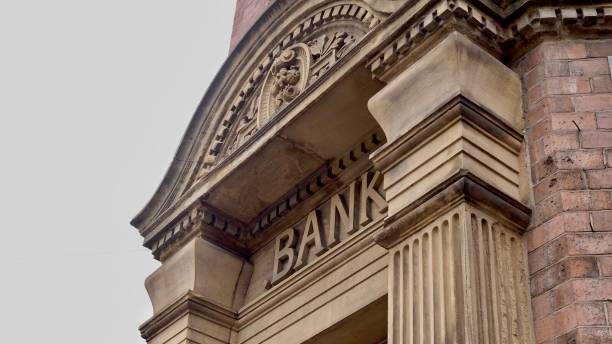
Banks are among the most stringent organisations when it comes to identity verification in the UK. Because of strict anti-money laundering (AML) and "Know Your Customer" (KYC) regulations, you cannot simply change your name via a quick phone call or a secure message. You will need to provide formal evidence of your transition to ensure your financial records remain accurate and secure. Before visiting your local branch, it is highly recommended that you consult our How to Change Your Name by Deed Poll in the UK – Step-by-Step Guide to understand the full scope of the identity update process.
Most high-street banks will require you to present your original document in person so they can verify the security features of the parchment. This requirement is a critical step in maintaining the integrity of your credit history and ensuring that your accounts are correctly linked to your new legal identity. To stay organised during this transition, many of our clients find it helpful to follow a name change notification checklist, which helps prioritise bank updates alongside other essential services like the DVLA and your local council.
It is also worth noting that once your bank has updated your details, they will typically issue new debit and credit cards, which can take up to seven working days to arrive. During this period, you should ensure you have a secondary method of payment available. If you have questions about how these changes might impact your broader legal status or shared accounts, our frequently asked questions provide deeper insights into the legal acceptance of deed polls across various financial institutions.
The "In-Person" Rule
While some digital-only banks (like Monzo or Starling) allow name changes via their app, most traditional high-street banks (Lloyds, HSBC, Barclays, etc.) require you to visit a branch in person with your original Prime Deed Poll.
1. The Banking Appointment
When you go to the bank, you should ask to speak with a "Personal Banker." You will typically need to bring:
- Your Original Deed Poll: Must be the wet-ink signed archival document.
- Photo ID: Ideally your updated Passport or Driving Licence. If you haven't updated these yet, bring your old ID.
- Debit Cards: Your bank will usually take your old cards and issue new ones in the mail.
2. Mortgages and Loans
If you have a mortgage, you must notify your lender. They will update the name on the account, but please note that this does not automatically change the name on the Land Registry. Updating the Land Registry is a separate legal process that usually requires a solicitor, though many people wait until they sell or remortgage the property to do this.
3. Credit Cards & Store Cards
For credit cards, you can often post your Deed Poll to their head office. Crucial Tip: Always send your document via Royal Mail Special Delivery. Never send your only original Deed Poll via standard post, as financial documents are high-risk if lost.
4. Joint Accounts
If you hold a joint account, the other account holder does not usually need to be present, but the bank will need to update the entire account's profile. New chequebooks and cards will be issued for both of you if the account name itself changes (e.g., from 'Mr & Mrs Smith' to 'Mr & Mrs Jones').
Make Banking Easy
Don't wait weeks for your document to be returned. Order a 5-copy pack and update your bank, passport, and driving licence all in the same day.
Order now ->Banking Name Change FAQs
Can I change my bank name online?
Most UK banks require you to visit a branch in person or post your original Deed Poll. Because of Anti-Money Laundering (AML) laws, they must physically verify the security features of your archival parchment before updating your records.
Will my account number and sort code change?
No. Your account numbers, sort codes, and Direct Debits will remain exactly the same. Only the name associated with the account is updated, so your incoming salary and outgoing bills will continue to process without interruption.
Do I need a new debit card?
Yes. Once the bank processes your name change, they will automatically trigger the delivery of a new debit card in your new name. Your old card will usually be deactivated once the new one is activated, or after a set period of 7-10 days.
What happens to my credit score?
Your credit history is not lost. Banks report the name change to credit reference agencies like Experian and Equifax. They will create a "financial association" link between your old and new names to ensure your score remains intact.
Can I still use my old cheques?
No. Once your name is legally changed on the bank's system, any cheques signed with your old name may be rejected. You should destroy your old chequebook and request a new one reflecting your updated legal identity.
What if I have a joint account?
You can still change your name on a joint account. While you provide your Deed Poll for your own identity, the other account holder usually does not need to be present, though bank policies vary slightly on this.
How long does the process take?
If you visit a branch, the update is often instant on their system, though cards take about a week to arrive. If you apply by post, allow 2 weeks for the bank to process the documents and return your original Deed Poll via secure mail.
Will my mortgage be updated automatically?
Usually, yes, if your mortgage is with the same bank as your current account. However, you should specifically check that the "Title Deeds" held by the bank are updated to avoid issues when you eventually sell or remortgage the property.